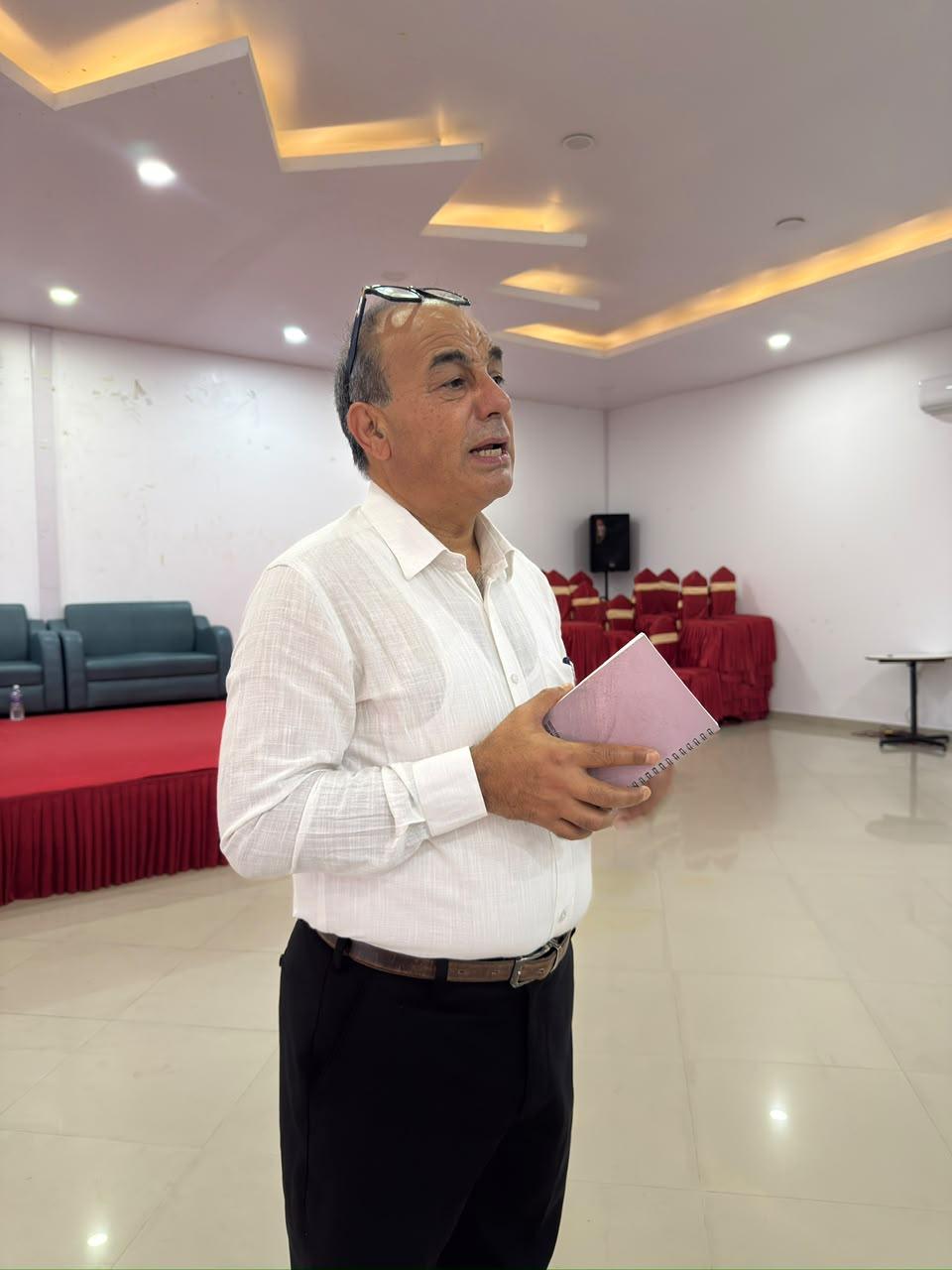
Prayatna Nepal organized a Couple Peer Counseling session on August 9, 2026, at Hotel Utsab Himalaya, Lakeside, Pokhara, under the project “Ensure Access to Sexual and Reproductive Health Rights of Women with Disabilities,” supported by Mama Cash. The session aimed to raise awareness among women and girls with visual impairments, couples with visual impairments, and representatives of Organizations of Persons with Disabilities (OPDs) about birth defect and disability prevention, safe pregnancy, and sexual and reproductive health rights.
A total of 27 participants attended the program, including seven couples with visual impairments, nine women and girls with visual impairments, two married men with visual impairments, and two accompanying children of parents with disabilities. The session began with a welcome address by Ms. Sarita Lamichhane, Chairperson of Prayatna Nepal, who introduced the objectives of the program and encouraged participants to share their expectations, experiences, and concerns in a safe and confidential environment.
The technical session was facilitated by Dr. Khem Karki, who provided information about the TORCH profile test and its relevance to pregnancy and birth defect prevention. Participants learned about infections such as toxoplasmosis, syphilis, HIV, rubella, cytomegalovirus (CMV), and herpes simplex, and their potential effects on pregnancy and fetal health. The facilitator explained the purpose of TORCH screening and the role of IgG and IgM antibodies in identifying past or current infections. Participants also discussed the differences between TORCH profile testing and genetic testing and how genetic testing can help identify certain conditions associated with disabilities.
The session also addressed menstruation, pubic hair management, personal hygiene, common myths and misconceptions, safe pregnancy, bodily changes during and after pregnancy, and health conditions and risks associated with pregnancy. Participants actively engaged in the discussion, asked questions, and shared their concerns and experiences. The facilitator used simple language and practical examples to make the information accessible and understandable to everyone.
The program concluded with Ms. Sarita Lamichhane expressing gratitude to all participants for their valuable contributions and reiterating the importance of maintaining confidentiality and respecting the personal experiences shared during the session. The activity helped raise awareness of birth defect and disability prevention, pregnancy-related health risks, and sexual and reproductive health issues among women and men with visual impairments. Through this initiative, Prayatna Nepal continues to promote inclusive access to sexual and reproductive health information and create supportive spaces where women and girls with disabilities and their families can access information, clarify misconceptions, and make informed decisions about their health and well-being.