This report is a first person policy account by Sarita Lamichhane, a visually impaired Nepali participant in the 2026 UN CRPD Training for the Asia-Pacific, who traveled to South Korea in September 2026 and looked at how Seoul organizes tourism for disabled visitors. Key facts include the Seoul Danurim Accessible Tourism Center, run by the Seoul Metropolitan Government and Seoul Tourism Organization, which supplies accessibility information, accessible vehicles, travel assistive device rental and a tour guide service for visually impaired visitors, and the Korea Disabled People’s Development Institute, which in 2026 connected disabled jobseekers to hotel, exhibition and convention roles through recruitment tied to a Tourism Job Fair. The account carries weight because the author tested these services as a blind traveler rather than reading about them, and because she anchors her argument in Article 19 of the UN Convention on the Rights of Persons with Disabilities, which recognizes equal choice and full participation in community life. It affects disabled and older travelers who need reliable access information before booking, along with guides, hotels, trekking agencies and tourism officials, and its main finding is blunt: Nepal has the tourism assets but not the system around them, and accessibility should be treated as a trained profession and a source of employment rather than as a favor extended to a guest.
Accessible Tourism in Nepal: Lessons from South Korea
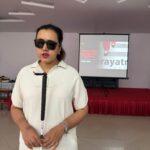
Sarita Lamichhane
Founder/Chairperson
September 17, 2026
News Coverage